
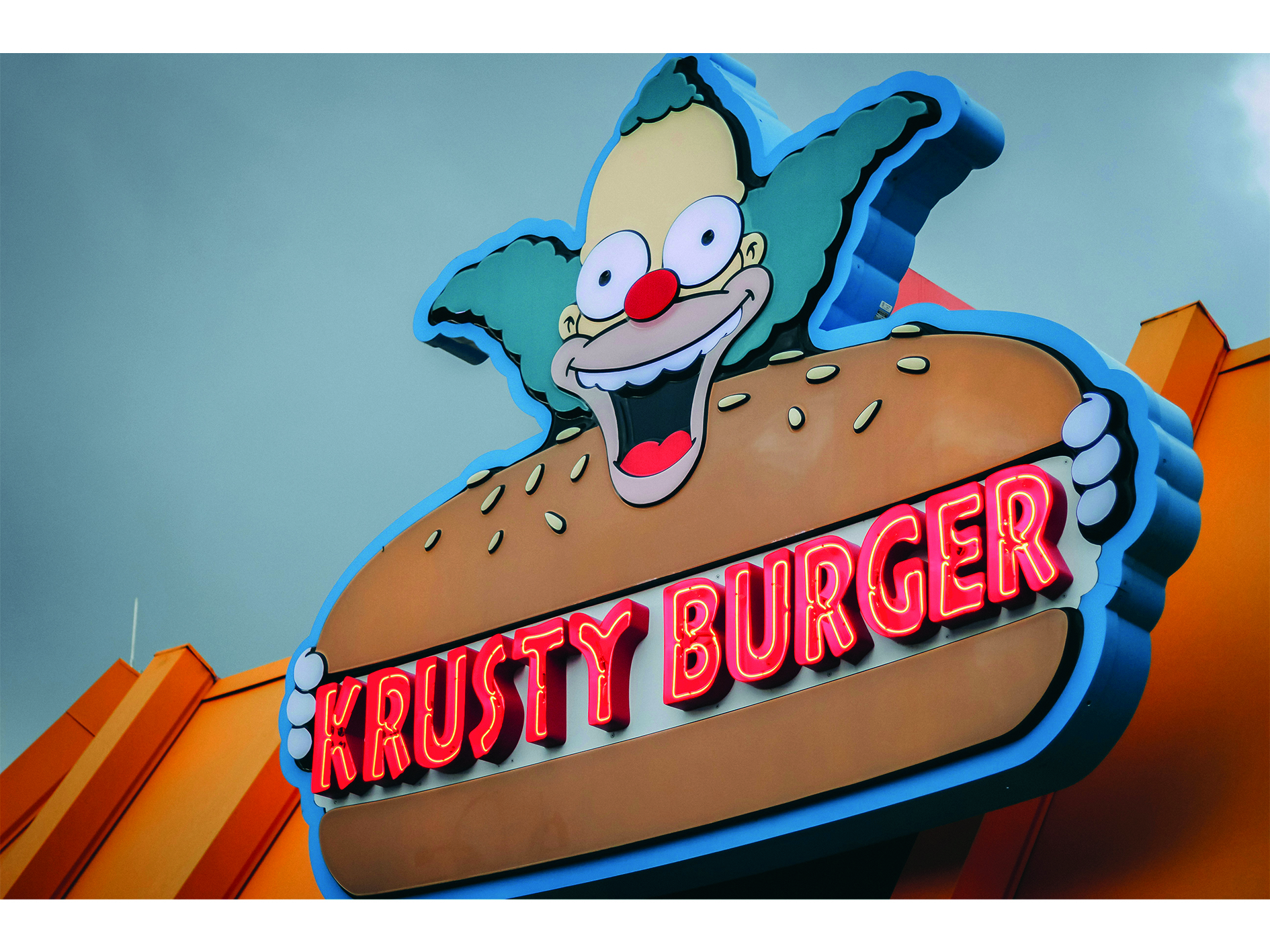
Since its debut in 1989, The Simpsons has transcended its origins as a prime-time animated sitcom to become a cultural institution. With its sharp wit, surreal humor, and satirical commentary on American life, the show has had an undeniable impact on multiple generations. In my opinion the show has shaped not only animated comedy, but the humour of an entire generation. Even today you’ll hear countless writers referring to The Simpsons as a touchstone for the American cultural zeitgeist. And while countless fans enjoy debating when the show began its much-maligned decline in quality, you tend to hear less of people referencing the undeniable impact in comedy. I for sure have a lot of opinions on the show, considering it’s in running for my favourite show of all time : personally I mostly watch from seasons 2-9 and although I do think the show should’ve bowed out and enjoyed its legacy years ago, I would like to embrace the impact The Simpsons had on a generation.
The show’s sharp, acerbic wit, (decidedly) democratic social commentary, and cynical jabs at popular culture and the political world became the norm for numerous comedy programs and animated shows that followed, leading to an upsurge of adult oriented animated programming. It can all be traced back to this show, to such an extent that famed and equally beloved shows such as South Park, Beavis and Butthead, and King of the Hill were allowed to thrive and became equally vital to the nineties counter-cultural zeitgeist. You can truly sense ‘The Simpsons’ DNA in all these shows, and it makes it interesting how each of these programmes’ writers were able to reshape the influence and build off it. Importantly, however, The Simpson’s satirical nature, ran equal to the increased social consciousness in the youth, further provoked more active and outspoken stances that only becomes more prevalent today.
What made the show notable upon its debut in 1989, was, what was considered, a far more honest depiction of a blue collar American nuclear family, especially in contrast to the more glamorised depictions in American media during the mid-eighties. The father was an oafish man prone to bouts of rage, the wife was unhappy with her droll stay-at-home life, the eldest son is a rebel who fails at school, the middle child is completely neglected, and then there’s a baby. The Simpson family became synonymous with the chaotic dysfunctional family unit, so much so that it provoked uproar among politicians who lambasted, what they perceived to be a lack of a moral compass. The Simpsons aired during a period where the nuclear family unit was actively promoted by American politicians, making the show feel like a radical shock to the system, albeit one with a ringing truth pulsing under the surface.
It was this very depiction of the unexceptional, ‘average’ family unit that also holds an influence over the comedy landscape, and not just in animation. Shows like Ricky Gervais’ The Office took a strong influence from the show in its depiction of the ordinary and irreverent take on human interaction. The influence is strongly felt in much of Mike Judge’s comedy, which is even more scathing and cynical than Matt Groening’s. However, despite its influence over what seems like every comedy show, its unfortunate decline, in my opinion, can be traced to when the show started trying to fit in with its protégés, losing the well-drawn characters and dynamics in the process, turning the show, unfortunately, into just another cartoon.
I still consider the show to be one of the most important of all time. It changed the way people look at the world, their ideas on what makes a strong family, and its impeccable comic timing and comedic writing have ensured that The Simpsons lives on in meme culture. It’s truly a show that, no matter how much further it falls from grace, it will never truly die.
Photo Credit: Unsplash





Leave a Reply