

The newly elected leader of the Green Party has said he will to go head-to-head with Nigel Farage by using his own techniques against him.
Zack Polanski’s campaign for leadership focused heavily on using the power of social media to help popularise left-wing politics.
The Greens’ leader rose to fame almost overnight on platforms like X in the run-up to the party elections with an emotive video on the cliffs of Dover discussing the ‘small boats crisis’, racking up more than two-million views.
He has made his views on migration explicit: “The idea that lots of people are coming here and that they are not deserving of coming here is the first thing that needs challenging.”
Polanski’s Reform-rejection is abundantly clear. Even more obvious is his ambition to use eco-populism to combat the right-wing rhetoric.
But what is an ‘eco-populist’ approach?
Eco-populism is an environment-centred take on populism; an approach to politics that’s centred around ordinary people’s concerns being disregarded by the elite.
Nigel Farage uses a populist approach – framing the Labour Party as an elite group responsible for immigration – which has arguably spurred the anti-immigration riots across the country.
Academics have suggested that the far-right imitates this authentic left political approach, which historically came from a Russian “natural right to land” movement.
Eco-populism, described by sociologist Federico Tarragoni, is a way of “politicising the environment at the same time as democracy”, and highlights how the top 1% are responsible for both social inequality and environmental degradation.
How will social media help?
As of today, Nigel Farage has more TikTok followers than all of the front-bench MP’s combined.
For the left, it’s a terrifying statistic – one that Polanski makes apparent that he wants to fight.
“We need more communicators on the left,” he explains.
Polanski aims to use social media alongside community outreach and engagement for a multifaceted approach to enhance the Green Party’s reach.
Politicians are increasingly using social media in their campaigns to both enhance traditional campaigning and reach new, younger audiences.
Social media transcends news and print media in many ways – the main one being greater control over what’s being published.
Over the past few years we’ve seen an increase in MPs using X, political parties using Facebook and Instagram, and the rise of politics podcasts like Politics Joe, Novara Media’s Podcast and Westminster Hour.
Posting on X, Polanski has announced the launch of a new podcast, Bold Politics, where ‘bold conversations’ will draw connections between social and environmental issues.
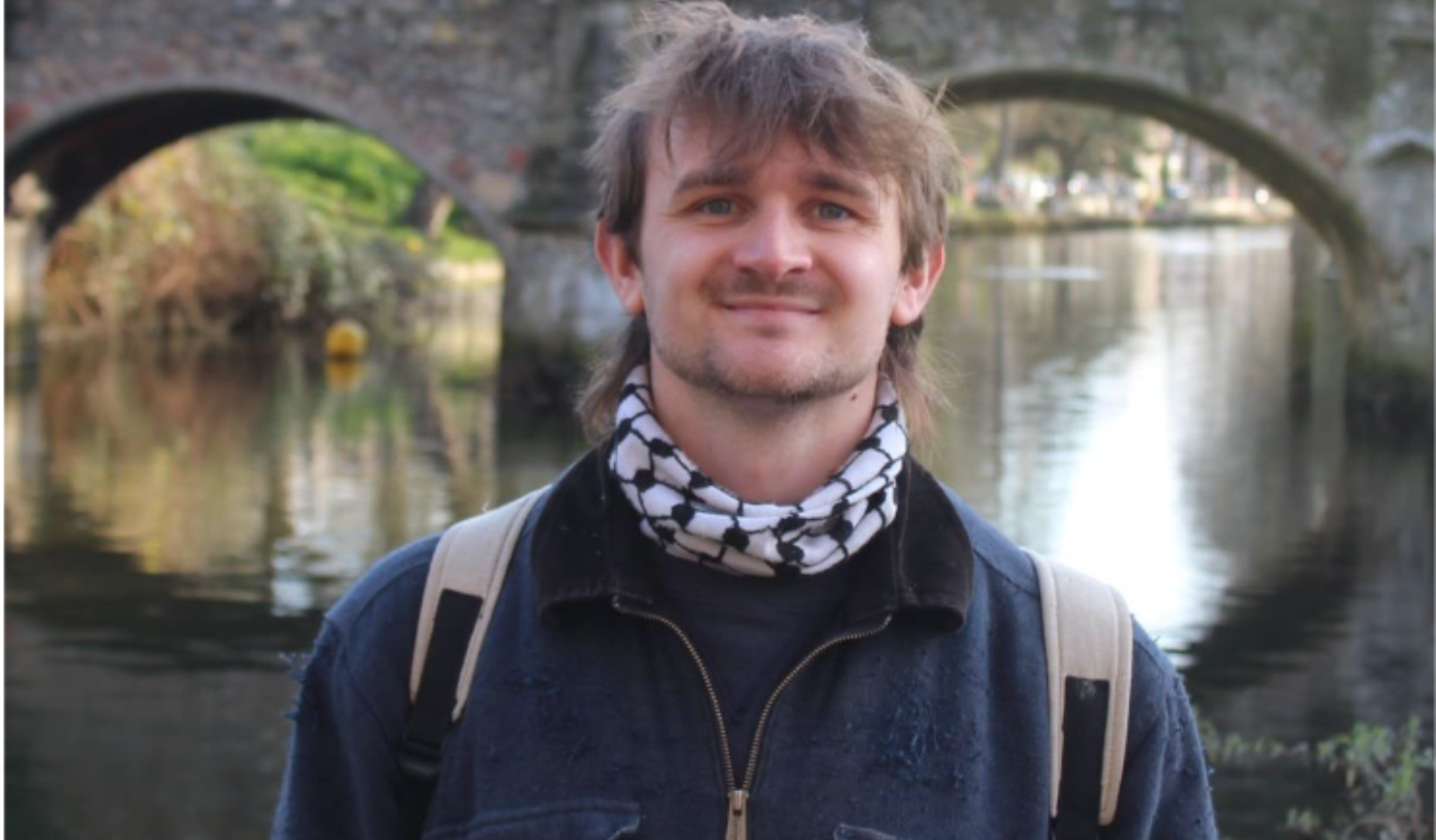
Image Credit: Emily Pitt-Shaw



Leave a Reply