
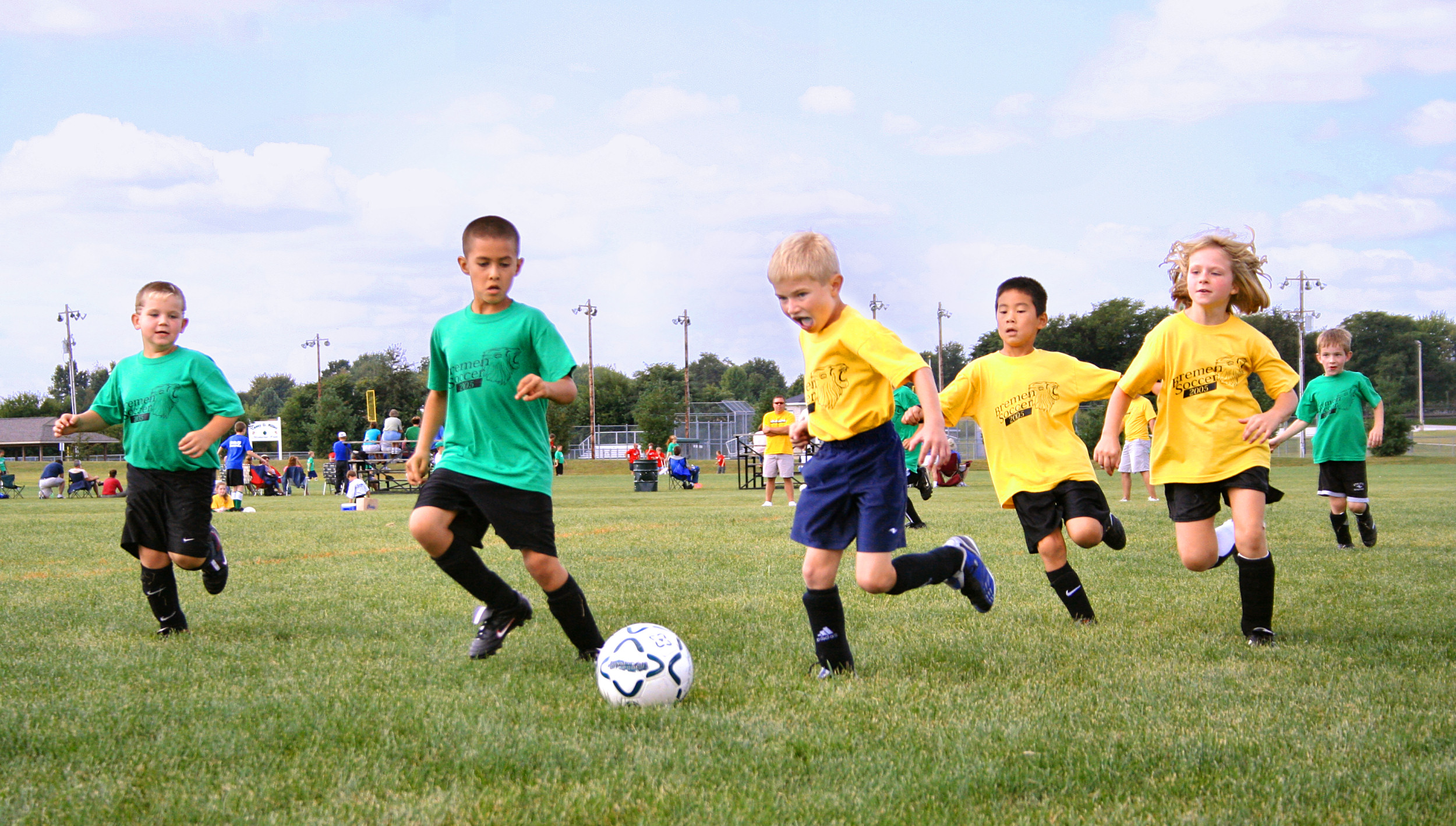
Sport, historically, has this incredible power to unite people.
Whether it’s cheering for the local football team, watching a match in the pub, or gathering around the TV for the Olympic Games, sport manages to find a way to connect people from all sorts of backgrounds. It has this ability to break the barriers that language and politics often create, creating a connection.
Football stands out as a sport that unites people, it draws them in easily. From simply playing at a local park or at a huge stadium during the World Cup, the energy remains the same. Shouting, cheering and smiling is a constant. All one needs is a ball and a goal, it’s straightforward and that’s what makes it appealing since anyone can play. Famous footballers, such as Lionel Messi and Cristiano Ronaldo, give hope to the younger generation who aspire to be like them, due to their similar backgrounds. To the younger fans they are a reflection, a goal they can look up to. Whilst to the older fans, they support and stand by them.
When a team wins, celebrations will ripple beyond the stadium. Streets will be filled with singing and cheering, even if you were not there to witness the match you can’t help but smile. There is still a community when a team loses, they share the same disappointment, but they push through. Football is a powerful sport historically. During the First World War on Christmas day 1914, a Christmas truce was held. Instead of fighting the opposing sides met on no man’s land and celebrated by playing football. The sport has managed to bring communities together even during times of conflict.
While Formula One appears more exclusive, compared to football, it too has a remarkable trait to bring people together. Every race weekend, fans can look forward to watch drivers battle on circuits around the world. The unpredictability of each race, and the sound of engines connects people and creates a wave of excitement. It allows fans to bond over their favourite drivers and teams, such as Mercedes, Ferrari and Red Bull, as well as the intense rivalries.
F1 communities thrive through both online and in person; supporters host watch parties and travel long distances to attend races. Social media, in recent years, has played a huge part in increasing F1’s audience. Inspiring younger fans, but also girls through F1 Academy, promoting a sport that was seen as inaccessible. The drivers are humanised and seen as more relatable through social media and on media days, instead of as untouchable drivers. The sport brings people together from different backgrounds now more than ever.
No event symbolises unity and togetherness like the Olympics. Every four years, athletes from all around the world come together to compete. The Olympics offer a stage where stories of teamwork, sportsmanship, and perseverance hold a greater value than medals. They compete in the hosting country, celebrating both sports and the country’s culture. Spectators cheer for athletes they’ve never heard of and for teams from small countries. Everyone is celebrated, no matter what country they are from. The Olympic Games often leave a lasting feeling of excitement and inspiration, as well as giving the host country more attention. The most important objective the games leave are messages of peace and love.
Sport is more than just about having fun and competing, it allows communities to be made. It helps tie social divisions and make friendships, it lets people from different backgrounds come together. Sport continues to show society that we belong to something special, we believe together.




Leave a Reply