
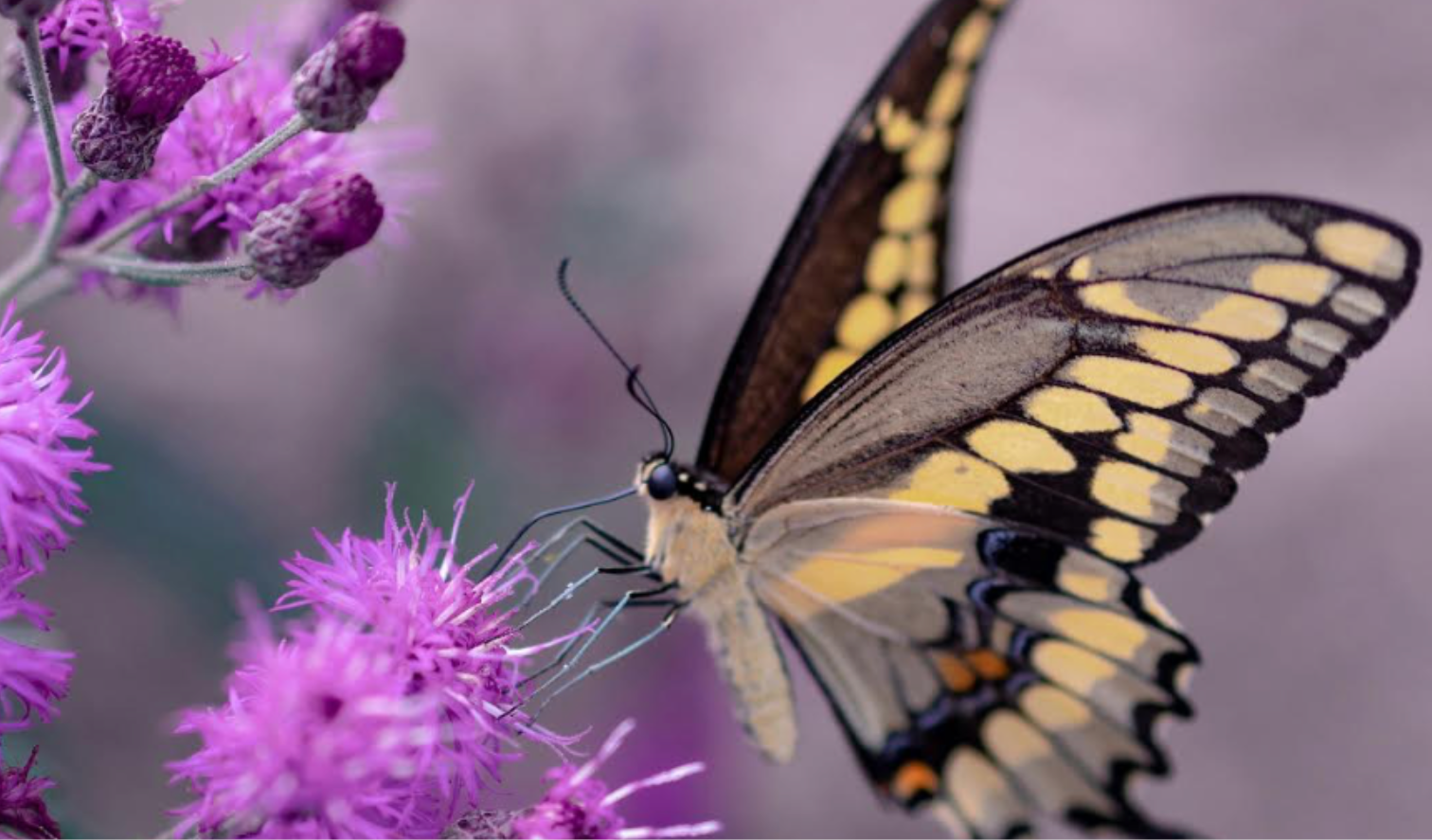
Do you remember the creepy crawlies?
The ants making their way up your legs as you sat in the grass? The wasps that buzzed incessantly the moment you had something sweet?
Growing up, the heat of summer brought with it countless bugs, but now we see less and less bugs.
People online are seeing this too, turning to Reddit and environment forums, in an attempt to understand this sudden decline.
The decrease in bugs is worse than it may seem.
Earth.Org reports that in 2022, there had been a 60% decline in flying insects in England over the past 20 years. Across Europe, it is even worse, with a 75% loss.
The insect population is decreasing at an alarming rate, and it is not a coincidence, but is caused by an increase in pesticide usage.
Pesticide Action Network have said that the use of Glyphosate, a pesticide commonly used on crops, has increased in UK farming by 1000% since 1990.
These pesticides contaminate the food sources and pollen of insects such as bees and butterflies. Often, these pesticides can kill, paralyse the insects, or interfere with their reproduction.
Yet, it is not just pesticides harming our insects, deforestation and climate change are increasing the loss of their habitats.
With the change in weather, changes in rainfall patterns and extreme temperatures affect the life cycles of insects, as well as the food sources available to them, with bugs emerging before or after plants are bloomed.
It may seem that bugs are doomed to fade out of existence, that our actions have harmed the bug population irreversibly. However, many wildlife trusts offer simple ideas of how to help.
They advise a wide range of solutions.
Reducing the use of pesticides and maintaining a compost heap is a good way to look after bugs.
Flea treatments can be toxic to bees, and compost heaps provide insects with a habitat. Leaving gardens as they are, such as not raking up leaves can be crucial for the insects in your gardens to thrive.
If you are mindful of the animals amongst you (no matter big or small), you may begin to see them giving back to nature around you.
Image credit: Aaron Burden/unsplash



Leave a Reply